
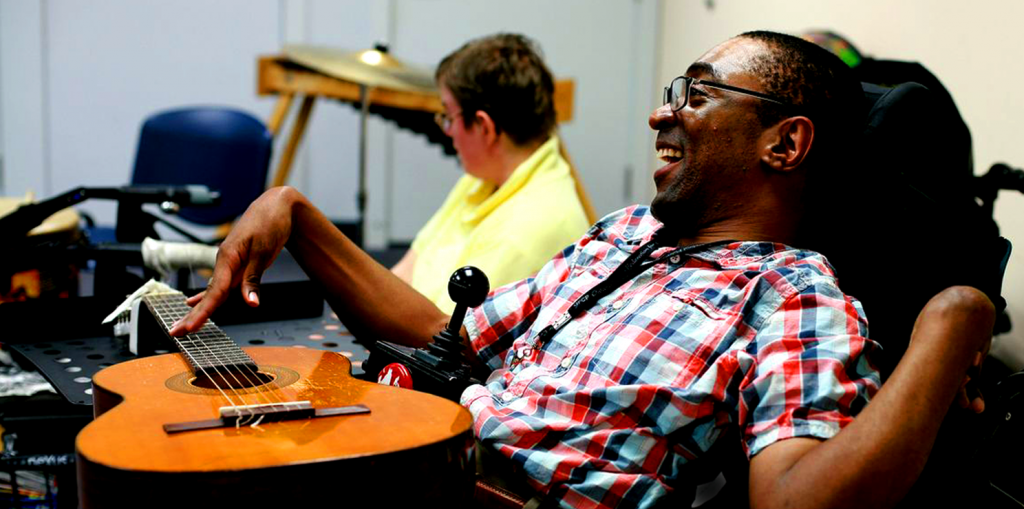
What's happening
Give the Gift of Wellness Therapy

Want to do more? We are launching new initiatives to expand wellness therapy access...
Giving Tuesday Thank you!

Thank you for making our first ever Giving Tuesday at the Wellness Foundation...
What we do At the Wellness Foundation
A look at what the Wellness Foundation does to support therapy programs...
Wellness therapy works
We fund evidence-based wellness therapy programs nationwide. Clinical research demonstrates music therapy reduces pain by 21-38%, improves motor function recovery by 35%, and decreases anxiety levels by 40-60%. For individuals with physical, developmental, or emotional challenges, structured musical interventions provide measurable therapeutic outcomes.
Benefits of Music Therapy for Physical Health
Motor Skills and Coordination Improvement
Music therapy enhances motor function through rhythmic auditory stimulation. Stroke recovery patients demonstrate measurable improvements in gait speed, balance control, and fine motor precision during structured musical activities. Clinical research shows rhythmic cues activate motor cortex regions, promoting neuroplasticity and accelerating movement rehabilitation by up to 35%.
Chronic Pain Management
Clinical studies reveal music therapy reduces pain perception by 21-38% in hospitalized patients without pharmaceutical intervention. Neurological mechanisms include endorphin release, attention redirection, and gate control theory activation. Patients with fibromyalgia, rheumatoid arthritis, and post-surgical conditions experience sustained pain relief through personalized musical interventions.
Respiratory and Cardiac Health
Vocal exercises and wind instrument therapy strengthen diaphragmatic breathing and increase lung capacity by 15-25%. Cardiovascular improvements include 10-15% blood pressure reduction, decreased heart rate variability, and enhanced circulation. These measurable physiological changes accelerate recovery in cardiac rehabilitation and pulmonary therapy programs.
Music Therapy for Mental and Emotional Wellness
Anxiety and Stress Reduction
Systematic reviews confirm music therapy reduces anxiety levels by 40-60% across diverse populations. Cortisol levels decrease significantly during and after musical interventions. Patients with generalized anxiety disorder, PTSD, and panic disorders experience sustained symptom relief through evidence-based music therapy protocols.
Depression Treatment Support
Music therapy activates dopamine pathways and supports emotional regulation. Clinical trials show 30% improvement in depression scores when music therapy supplements traditional treatment. Interactive music-making fosters social connection and self-expression, addressing isolation common in depressive episodes.
Cognitive Function Enhancement
Musical activities stimulate multiple brain regions simultaneously, improving memory, attention, and executive function. Dementia patients show delayed cognitive decline and improved quality of life through structured music programs. Neuroimaging studies reveal increased neural connectivity following regular music therapy participation.
Who Can Benefit from Music Therapy
- Children with Autism: Improved communication, social interaction, and behavioral regulation
- Stroke Survivors: Enhanced motor recovery, speech rehabilitation, and cognitive function
- Dementia Patients: Preserved memories, reduced agitation, improved quality of life
- Cancer Patients: Pain management, anxiety reduction, emotional support during treatment
- PTSD Individuals: Trauma processing, emotional regulation, stress reduction techniques
Research-backed interventions address diverse populations with measurable therapeutic outcomes across age groups and diagnostic categories.
Music Therapy Funding and Grants
- Program Grants: Support for clinical programs, research initiatives, and community outreach
- Training Scholarships: Financial assistance for music therapy education and certification
- Research Funding: Support for evidence-based practice studies and clinical trials
- Equipment Grants: Instruments, technology, and adaptive devices for therapy programs
- Community Impact: Funding for underserved populations and accessibility initiatives
Grant applications require detailed program descriptions, outcome measures, and sustainability plans to ensure maximum therapeutic impact.
Join the
Conversation
Follow us on



I have seen the impact that wellness therapy has on people who are often in the battle of their lives. Music transcends medicine; it transcends the confusion and frustration that patients can be experiencing when suffering from diseases; and it can bring joy, inspiration and reprieve unlike any other help out there.
-Alexandra Thompson